
General Contractors in Northern New Jersey: Roles, Licensing & How Salemi Construction Can Help
Hiring a general contractor is the single most consequential decision a property owner makes on a building project. The right one keeps your renovation on schedule, on budget, and in full compliance with local codes. The wrong one costs you months and thousands of dollars. This guide breaks down how general contractors operate in northern New Jersey, what licensing and insurance to verify, and how Salemi Construction delivers construction projects across Morris County, Newark, Morristown, and surrounding towns.
Key Takeaways
- A general contractor oversees construction projects from start to finish, managing the job site, coordinating subcontractors, obtaining permits, and ensuring compliance with New Jersey building codes and safety regulations.
- Salemi Construction is a licensed contractor serving northern New Jersey for both residential and commercial projects, with owner Anthony Salemi personally supervising each job.
- General contractor salary, licensing requirements, and regulations vary by state; this article focuses specifically on the North Jersey region.
- Hiring a general contractor reduces project disorganization by consolidating responsibility under one company responsible for scope, schedule, and budget.
- Scroll to the bottom for general contractor FAQs and a contact CTA to reach Salemi Construction.
What Is a General Contractor in the Modern Construction Industry?
The term general contractor refers to the individual or company that holds the prime contract with a project owner and bears full responsibility for delivering the finished structure. In northern New Jersey, that work ranges from restoring 1920s Colonials in Montclair to fitting out commercial interiors in Newark to building mixed-use developments in Hackensack.
General contractors manage construction projects from start to finish. They coordinate the project team: subcontractors (plumbers, electricians, roofers), material suppliers, inspectors, and the design team (architect and engineer). A general contractor works as the main point of contact for the owner, which simplifies communication and accountability. Instead of juggling calls with six specialty contractors, the owner deals with one.
A GC can be a sole proprietor or a construction company like Salemi Construction, a locally trusted Morris County home renovation expert, which is based in Randolph, Morris County, and handles projects across North Jersey. Salemi Construction acts as that single point of contact for clients, from the first consultation through the final walkthrough. Unlike specialty contractors who focus narrowly on one trade, a general contractor manages different aspects of the building process and keeps the "big picture" on track.
Core Responsibilities of General Contractors on a Job Site
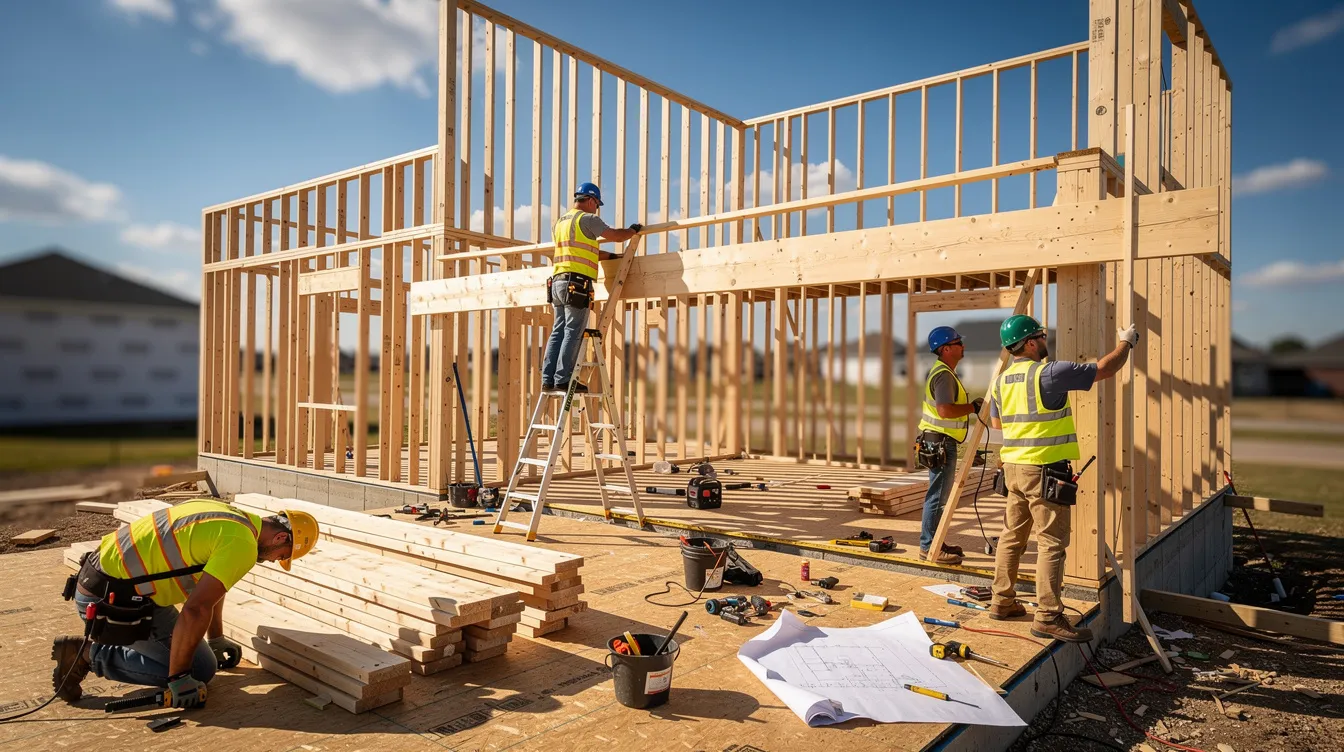
A general contractor is responsible for scope, schedule, budget, quality, and safety on every construction site. General contractors manage budgets and schedules effectively while supervising subcontractors across multiple trades. General contractors ensure projects are completed on time by sequencing work so that, for example, framing finishes before HVAC rough-in, which must finish before drywall.
Key responsibilities include:
- Scheduling crews and sequencing trades to prevent idle time
- Ordering construction materials, including long-lead items like custom cabinetry and windows
- Obtaining necessary permits from local building departments
- Coordinating municipal inspections (foundation, framing, electrical, plumbing)
- Resolving field conflicts between trades before they become costly delays
- Performing quality control by inspecting workmanship during construction
Safety enforcement is a crucial responsibility of general contractors. GCs enforce OSHA standards and New Jersey Department of Labor requirements to ensure every construction site is completed safely. This includes fall protection, scaffolding standards, and safety programs tailored to each project.
Salemi Construction manages daily construction work in North Jersey through daily walk-throughs, weekly owner updates, and punch-list management. The company also handles general conditions: site fencing, dumpsters, temporary utilities, job site signage, and portable toilets. These are the behind-the-scenes site services that keep a project running and code-compliant. Effective communication with stakeholders is a key responsibility, and Salemi Construction prioritizes clear, consistent updates throughout the process.
The Bidding Process & Contractor Estimates in Northern New Jersey
Most property owners first encounter general contractors during the bidding process for a renovation or new build. The process typically follows these steps:
- The owner and architect finalize drawings and specifications.
- The owner shares bid documents with several GCs. Bids may be solicited through RFPs, RFQs, or ITBs.
- General contractors submit bids after receiving project specifications, having first reviewed subcontractor bids for each trade.
- The owner may interview multiple GCs to select the best candidate based on price, experience, and schedule.
Common contract structures include lump sum (fixed price), used frequently in residential work, and cost-plus with a fee, which suits renovations where hidden conditions in older North Jersey buildings create uncertainty. Larger commercial projects sometimes use a guaranteed maximum price. Traditional contractors work under a design-bid-build model, which separates design from construction.
A detailed estimate from Salemi Construction includes line items for labor, construction materials, equipment, permit fees, overhead, profit, and general conditions. Contingency allowances of 5% to 15% are standard for remodels in older structures where surprises behind walls are common.
Detailed written bids are critical for a transparent hiring process with general contractors. When comparing bids from contractors in northern New Jersey, look beyond the bottom-line cost. Verify that each contractor is licensed, the scope is clearly defined, the schedule is realistic, and exclusions are spelled out. Establishing clear contract terms is essential when engaging a general contractor.
Licensing, Insurance & Building Codes for General Contractors in New Jersey
Working with a licensed contractor protects you legally and financially. Licensed general contractors provide protection against lawsuits, and lenders often require proof of contractor licensing before releasing construction draws.
New Jersey does not issue a unified general contractor license at the state level. Instead, residential remodeling contractors must register as Home Improvement Contractor Businesses under the Contractors' Business Registration Act (N.J.S.A. 56:8-136). Builders of new homes must register under the New Home Warranty and Builders' Registration Act through the Department of Community Affairs. Commercial work often requires additional qualifications and insurance, and public works projects require separate Public Works Contractor Registration.
Most US states require general contractors to obtain a local license. California, for example, requires a license for projects costing $500 or more. A surety bond is required in states that mandate contractor licenses. Vermont, New Hampshire, and Maine do not require general contractor licenses. In New Jersey, the licensing requirements center on registration and insurance rather than a single exam-based license, though a pending bill (S2148) could change that.
Owners should verify:
- Active NJ registration or business standing
- General liability insurance (minimum $500,000 per occurrence in NJ)
- Workers' compensation coverage
- Bonding requirements for public or large commercial projects
GCs must ensure compliance with building codes, fire codes, and zoning ordinances. In North Jersey, that includes height limits in residential zones, historic district approvals in towns like Montclair, and flood zone requirements along the Passaic and Hudson Rivers. Salemi Construction carries proper licensing and insurance and routinely coordinates with local building departments for permits and inspections. Hiring unlicensed or underinsured contractors can jeopardize warranties, insurance claims, and resale value.
Types of General Contractors: Residential vs. Commercial
Not all general contractors focus on the same kinds of construction work, and specialization matters for quality and code compliance.
Residential general contractors focus on building and renovating homes: single-family houses, multi-family renovations, additions, kitchen and bathroom remodels, basement conversions, and exterior upgrades such as decks and patios common in North Jersey suburbs. Commercial general contractors specialize in commercial construction projects: offices, restaurants, medical suites, retail spaces, warehouses, and tenant fit-outs in cities like Jersey City and Newark. A commercial general contractor must meet requirements for ADA compliance, fire suppression, and sometimes LEED certification.
Salemi Construction serves both residential and light commercial markets, bringing commercial-level scheduling and quality controls to home projects. Owners should select a GC whose portfolio aligns with their specific building project type, occupancy category, and code requirements. Assessing a contractor's experience specific to the project type is the best way to confirm a fit.
Design-build contractors handle both design and construction phases under one contract, which can reduce coordination time. This delivery method works well for smaller residential or light commercial projects where speed matters.
How to Become a General Contractor: Education, Experience & Career Path
Being a GC is both a business and a profession. It requires technical knowledge of building systems, construction materials, and safety standards alongside project management and financial skills.
Common education paths include trade school (carpentry, electrical), associate degrees in construction technology, or bachelor's degrees in construction management or civil engineering. Hands-on field experience is essential. Many successful GCs in New Jersey build their careers by starting as a carpenter or foreman, moving into roles like estimator, project manager, or construction manager, then gradually taking on larger jobs.
General contractors often need to pass licensing exams to operate legally in states that require them. In New Jersey, current requirements center on registration rather than a standardized exam, though professional certifications (like those from the Construction Management Association of America) and continuing education help local professionals stay current with evolving building codes, safety standards, and tools.
General Contractor Salary & Business Economics
General contractor salary figures vary by region, specialization, and business structure. ZipRecruiter reports an average of $64,138 per year in New Jersey, with top earners reaching $101,500. In northern New Jersey specifically, experienced GCs and construction managers earn between $67,000 and $97,000 annually, reflecting the region's higher labor rates and property values.
There is a difference between a salaried construction manager working for a large firm, a small-business GC owner, and a self-employed sole proprietor. A business owner's total income includes profit margins on projects (typically 10% to 20%), while a salaried project manager earns a fixed wage.
High-level cost drivers for a GC business include labor, equipment, insurance, bonding, overhead, and risk. "Low-ball" bids often omit general conditions, undercount contingency, or cut corners on insurance. Reputable contractors like Salemi Construction price projects to cover qualified workers, code-compliant materials, and proper insurance, which protects the owner as well as the contractor. Salary and profit expectations should never come at the expense of compliance, safety, or quality workmanship on the site.
Working with a General Contractor in Northern New Jersey: What Owners Should Expect
The typical project life cycle in North Jersey runs from first call to final walkthrough. Here is what to expect at each phase.
Preconstruction: Initial consultation, site visit, budget discussion, design coordination with your architect, value engineering, and agreement on general conditions and schedule. This phase is where choosing the right general contractor is vital for a successful home renovation. Prospective clients should gather multiple references when selecting a general contractor.
Construction: Regular progress updates, a defined change order process, municipal inspections, milestone payments tied to completed work, and punch lists. General contractors manage project closeout including final inspections and documentation.
Practical tips for choosing your GC:
- Check references and review similar completed projects in northern New Jersey
- Verify the general contractor license or registration status and insurance
- Confirm communication style fits your needs; ask how often you will receive updates
- Review lien rights provisions in your contract documents
Salemi Construction communicates with clients through email updates, site meetings, and photo reports. For occupied homes or active businesses, the company manages expectations around noise, dust, and access. Post-completion support includes warranty coverage, project documentation, and responsiveness for future maintenance or additional phases, especially those involving the same structure or outdoor living additions like custom decks and patios.
General Contractor Frequently Asked Questions
Do I really need a general contractor for a small renovation in northern New Jersey?
For cosmetic updates like painting or minor fixture swaps, a GC is optional. For any work involving structural changes, plumbing, electrical, or permits, using a licensed contractor is the right call. Even a modest kitchen or bathroom remodel can trigger building code requirements, inspections, and coordination of multiple trades. A GC like Salemi Construction manages that process efficiently. Some North Jersey municipalities will not issue or close permits unless a properly registered contractor is listed on the application.
How long does a typical general contracting project take in North Jersey?
Timelines vary by scope: a bathroom renovation runs 4 to 8 weeks; a kitchen remodel, 8 to 14 weeks; a full gut renovation of a home, 4 to 8 months; a small commercial fit-out, 6 to 16 weeks. Schedules depend on permitting timelines in specific towns, material lead times, and unforeseen conditions in older buildings. Salemi Construction builds detailed schedules during preconstruction and updates owners regularly when conditions change.
What documents should be included in my contract with a general contractor?
Key contract documents include: a signed agreement, detailed scope of work with detailed descriptions of each trade's responsibilities, drawings and specifications, payment schedule, start and completion dates, change order process, insurance requirements, and warranty terms. General conditions should be clearly described so owners know what site services (cleanup, dumpsters, protection, temporary facilities) are included. Salemi Construction provides written contracts that spell out expectations before construction work begins.
How are change orders handled, and how can I avoid surprises?
Change orders arise from owner-requested changes, hidden existing conditions, or design clarifications discovered during construction. A transparent process includes a written description, cost and schedule impact, and owner approval before work proceeds. Finalize design decisions early and keep a small contingency budget (5% to 15%) to minimize stress. Salemi Construction reviews drawings carefully during preconstruction to reduce surprises.
What makes Salemi Construction different from other contractors in northern New Jersey?
Salemi Construction brings local North Jersey experience across multiple municipalities, strong relationships with reliable subcontractors, an emphasis on clear communication, and consistent on-site supervision by owner Anthony Salemi. The company is familiar with permitting processes and inspectors in towns throughout Morris County, Essex County, and beyond, which helps keep successful projects on schedule. As a licensed contractor with full insurance, Salemi Construction is committed to code compliance, safety, and long-term client relationships. Those established relationships with subcontractors translate to reliable pricing and fewer scheduling gaps on your job.
Ready to Build or Renovate in Northern New Jersey? Partner with Salemi Construction
Whether you are planning a whole-home renovation, an addition, or a commercial tenant fit-out, Salemi Construction is ready to manage every phase of your building project. The company offers transparent pricing, a complete scope of services, and local building code expertise that keeps construction on track.
Contact Salemi Construction today to request a detailed estimate or schedule a consultation. Call, email your plans for a preliminary review, or fill out the online contact form. Build with confidence knowing your property will be transformed safely, on budget, and in full compliance with New Jersey building codes, with Salemi Construction as your trusted general contractor.